
Roatan History: From Pirate Battles to Modern Island Life
The Discovery of Roatan: Christopher Columbus & Early Settlers
Chronological Timeline:
- Pre-Columbian Era (300–1502 CE) – Paya Indigenous Civilization
- 1502–1504 – Columbus Sights Guanaja (Not Roatan)
- 1524–1650 – Spanish Rule & Pirate Conflicts
- 1638–1788 – British, French & Dutch Colonial Battles
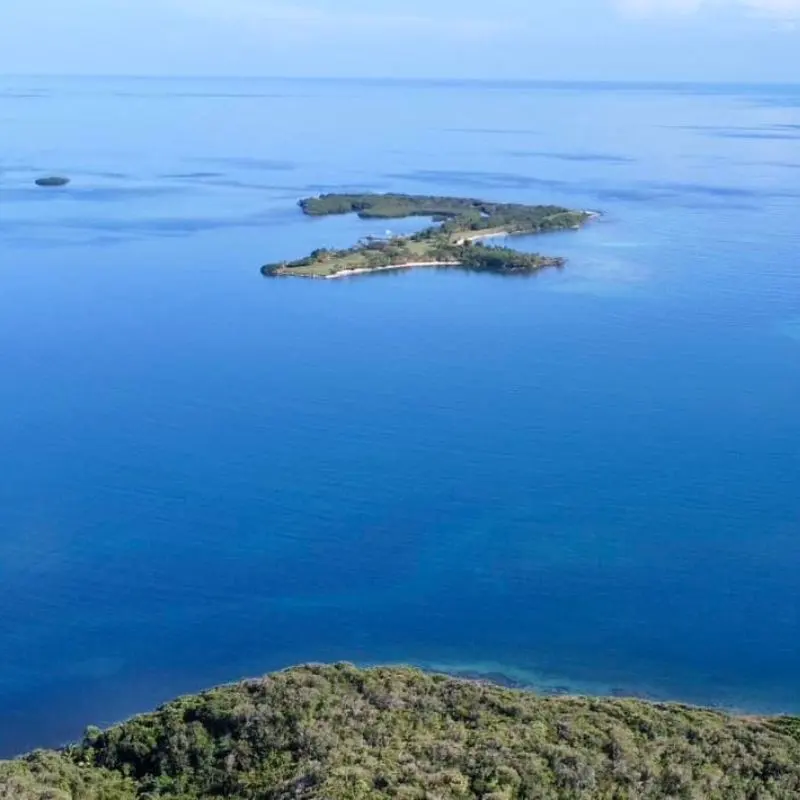
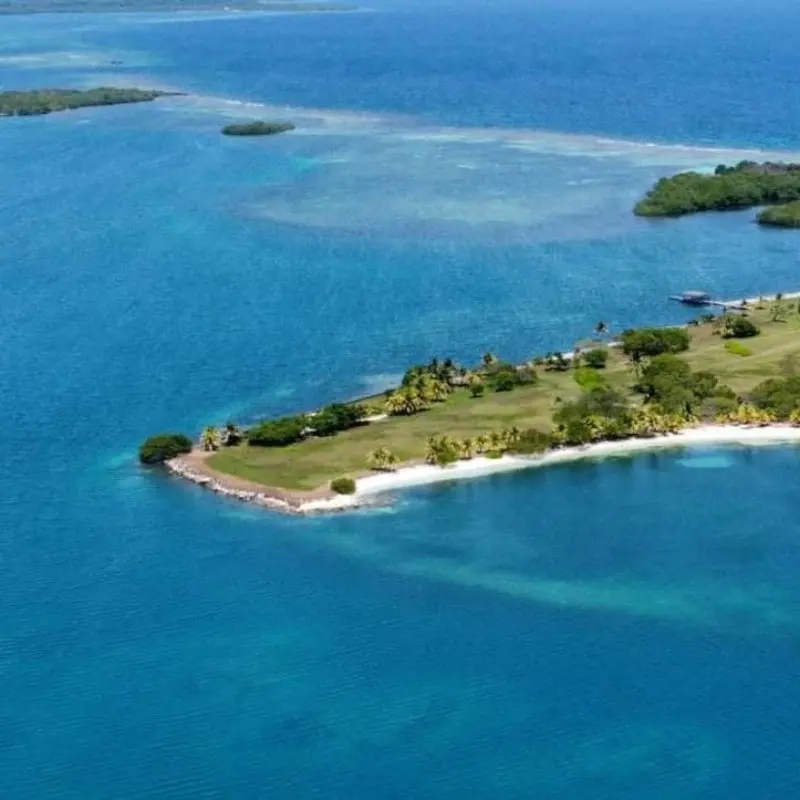
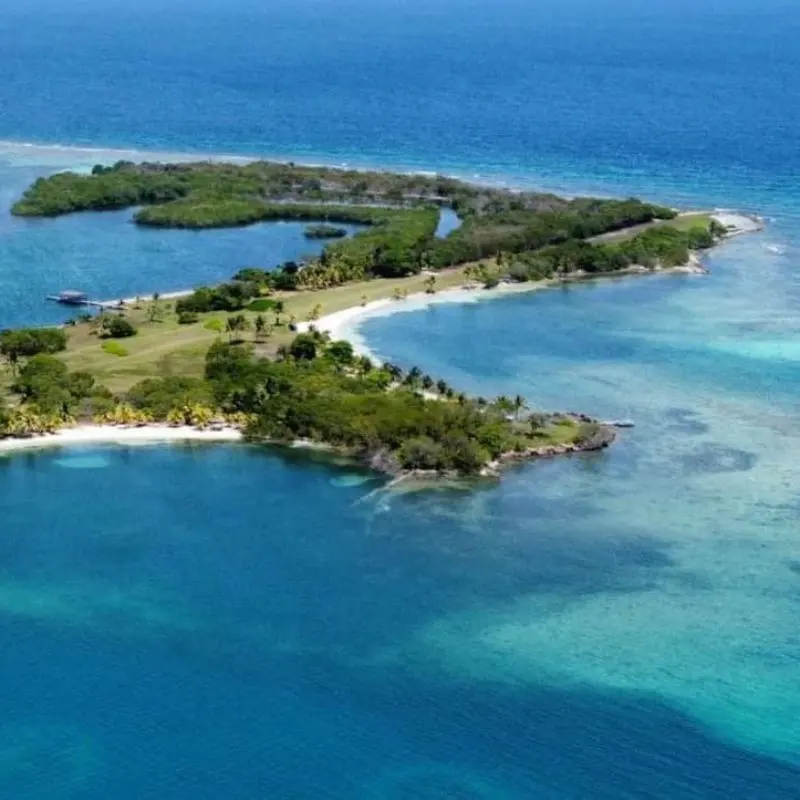
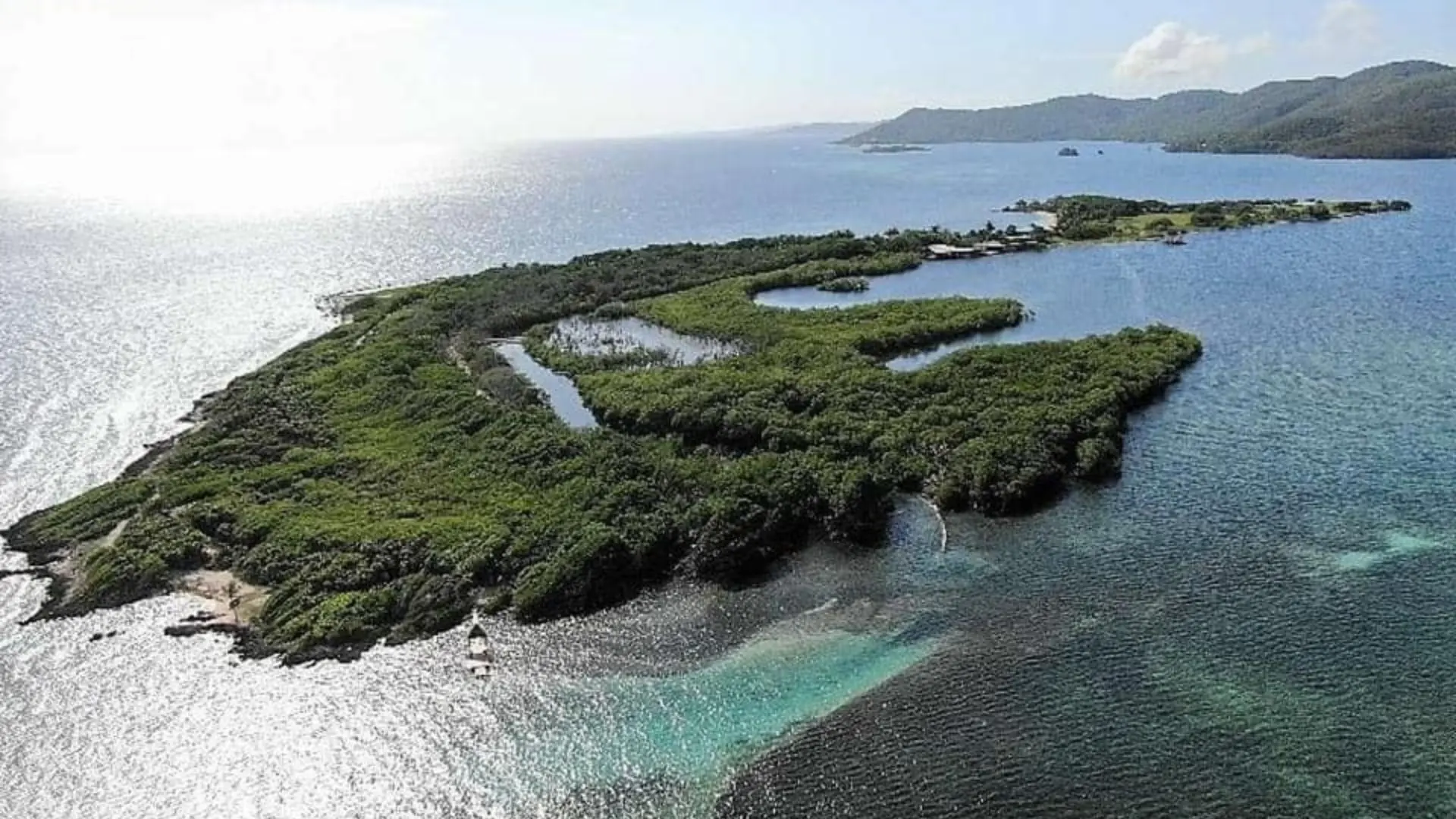
- March 16, 1782 - The Battle of Fort George (Fort Morgan Cay)
- 1797 – Garifuna Arrival in Punta Gorda
- 1859 – Bay Islands Ceded to Honduras
- 1974 & 1998 – Hurricanes Fifi & Mitch
- Modern Roatan – Tourism & Cultural Legacy
Pre-Columbian Roatan: The Lost World of the Paya People (300 CE - 1502)
The Original Islanders
Roatan and the Bay Islands were inhabited by the Paya (Pech) people for over 1,200 years before Columbus' arrival. Archaeological evidence reveals:
- Stone Tools: Ceremonial "yaba ding dings" (polished stone axes) found at Camp Bay and Punta Gorda sites ( Smithsonian Institution, 2016 ).
- Shell Middens: Ancient garbage piles at Jonesville Point containing conch, fish bones, and pottery shards dated to 500-1400 CE ( Journal of Island Archaeology, 2020 ).
Mainland Connections
While the Paya dominated the islands, mainland Honduras was home to:
1. Lenca (since 1000 CE):
- Built clay-walled cities like Copán Ruinas
- Famous for resistance leader Lempira (named after the Honduran currency)
2. Tolupan (since 800 CE):
- Hunter-gatherers in the Montaña de la Flor region
- Created intricate bark cloth paintings ( National Museum of the American Indian )
Daily Life Before Columbus
- Diet: Seafood (turtle, parrotfish), cassava, and wild guava
- Trade: Exchanged obsidian tools with Maya traders (evidence from Utila)
- Religion: Worshiped earth and sea spirits ; ritual sites at Santa Elena Cave
Why This Matters: The Paya were wiped out by 1650 due to Spanish enslavement. Today, only mainland Pech communities survive near Olancho .
1502–1504 : Christopher Columbus sighted Guanaja (east of Roatan) during his fourth voyage but did not land on Roatan itself ( Britannica ) ( Wikipedia )
Indigenous inhabitants : The Paya people (not Maya or Lenca) were the original inhabitants, evidenced by archaeological finds like pottery and tools called "yaba ding dings"
Key Eras in Roatan’s History
1. Spanish Rule & Pirate Conflicts (1524–1650)
- 1524: Spanish conquistador Gil González Dávila claimed the Bay Islands for Spain, but control was contested by pirates.
- Pirate golden age: Port Royal hosted ~5,000 pirates by the 1660s, including Henry Morgan , who used Roatan as a base.
- 1650: Spanish forces attacked Port Royal, relocating remaining Paya to Guatemala .
2. British Colonial Era (18th–19th Centuries)
- 1742–1788: The British garrisoned Roatan under Major Caulfield ; settlements like Coxen Hole (originally "Calkett’s Hole") persist today.
- 16 March 1782: The Battle of Fort George (Fort Morgan Cay) led by Spanish commander: Matías de Gálvez
- 1797: The British deported 5,000 Garifuna (Black Caribs) from St. Vincent to Roatan, founding Punta Gorda —the first permanent settlement. (UNESCO)
- 1859: Britain ceded the Bay Islands to Honduras.
Spanish Colonial Rule and Miskito Influence
1525-1650: The Bay Islands remained under Spanish colonial rule, but the islands were sparsely populated and difficult to control.
16th century: The Miskito people, an indigenous group from the Mosquito Coast of Central America, began to migrate to the Bay Islands. They established settlements on the islands and developed a strong maritime culture.
French Influence & Piracy in the Bay Islands (17th–18th Centuries)
During the 17th century, French pirates and buccaneers—alongside Dutch and English counterparts—used Roatan as a strategic base for raids against Spanish shipping lanes. While French colonial efforts were minimal compared to British ambitions, their legacy persists in place names like French Harbour , which was indeed named after French privateers who frequented the area ( The Bay Island Department ) .
François l’Olonnais : The notorious French buccaneer operated primarily near Honduras and Nicaragua in the 1660s, though direct evidence of his presence on Roatan is circumstantial. His raids on Spanish ports (e.g., Trujillo) align with broader French pirate activity in the region.
Alliances : French pirates often collaborated with English and Dutch forces against Spain, exemplified by the 1679 joint privateering expedition led by Coxon, which included French crews ( Timeline of Piracy in the Bay Islands of Honduras ) .
Colonial Conflicts & Key Events 1638–1650:
Shifting Control
1638 : English settler William Claiborne attempted to establish a colony under a Virginia patent, but the venture failed amid Spanish resistance.
1642–1650 : English raiders from Belize occupied Port Royal, Roatan, until Spanish forces under Francisco Villalva Toledo expelled them in August 1650. The remaining Paya people were deported to Guatemala, accused of aiding pirates.
Pirate Golden Age (1660s–1690s)
1665 : Port Royal hosted pirates like Henry Morgan , Edward Teach (Blackbeard) , and John Coxen (namesake of Coxen Hole). Morgan’s 1671 Panama raid loot is legendarily tied to Roatan, though no archaeological evidence confirms this 9 11 .
1692 : After Jamaica’s Port Royal was destroyed by an earthquake, many pirates relocated to Roatan’s Port Royal, reinforcing its role as a pirate haven.
British Colonial Era (1742–1859)
1742 : The British, under Major Caulfield , resettled Roatan, establishing towns like Coxen Hole (originally "Calkett’s Hole") and Oak Ridge (formerly Falmouth Harbor).
1782: Temporary Spanish control of Bay Islands
1797 : The British deported 5,000 Garifuna (Black Caribs) from St. Vincent to Roatan, founding Punta Gorda —the oldest Garifuna community in Honduras.
1859 : The Bay Islands were ceded to Honduras under the Wyke-Cruz Treaty , ending British colonial ambitions.
Modern Era & Natural Disasters
Banana Trade : Unlike mainland Honduras (e.g., La Ceiba), Roatan was not a major banana exporter but served as a logistical hub for U.S. fruit companies .
Hurricanes :
- 1974 (Fifi) : Caused 8,000+ deaths in Honduras, devastating Roatan’s infrastructure ( Summit of the Americas ).
- 1998 (Mitch) : Damaged dive sites like the Aguila and Odyssey wrecks ( Activities in support of the Hurricane Mitch ) (Wikipedia Hurricane Mitch ).
If you loved the Pirate Past of the Bay Island of Honduras we recommend the Mangrove Tunnel & Pigeon Cay Tours for a perfect match!
Snorkel with nurse sharks: Reserve a Full Day Snorkeling & Boat Trip Here The Easternmost Roatan Trip
Navigate the Mangrove Tunnels: Hop on board to the magical Mangrove Tunnels of Roatan of Jonesville
Fort Morgan Cay – Roatan Day Tours
Fort Morgan Cay 1 – Roatan Day Tours
Fort Morgan Cay 2 – Roatan Day Tours
The Best Snorkeling Tour at Fort Morgan Cay after Visiting the Mangrove Tunnels of Jonesville (2)
Frequently Asked Questions About Your Roatan's History
Who were the original inhabitants of Roatan?
The Paya (Pech) people lived on Roatan for over 1,200 years before European contact. Archaeological evidence includes ceremonial stone axes ( yaba ding dings ) and shell middens dating to 500-1400 CE.
What happened to the Paya people?
T he Paya were wiped out by 1650 due to Spanish enslavement and disease. Today, only mainland Pech communities survive near Olancho, Honduras.
Did the Maya ever live on Roatan?
No. While the Paya traded with mainland Maya civilizations, Roatan was exclusively Paya territory. This is confirmed by distinct pottery styles and tools found at archaeological sites.
Did Columbus actually land on Roatan?
No. Columbus sighted neighboring Guanaja in 1502 during his fourth voyage but never set foot on Roatan itself.
Why is French Harbour named as such?
It was a base for 17th-century French pirates like François l'Olonnais. The harbor served as a strategic point for raids against Spanish shipping lanes.
Is it true that pirate treasure is buried on Roatan?
Local legends claim Henry Morgan buried loot from his 1671 Panama raid here, but no verified discoveries have been made. The island's pirate history is well-documented, though.
What makes Punta Gorda historically significant?
Founded in 1797, it's the oldest Garifuna settlement in Honduras and a UNESCO-recognized cultural site. The Garifuna were exiled from St. Vincent by the British.
Why does Roatan speak English?
Due to 200+ years of British colonial rule (1742-1859), English remains widely spoken alongside Spanish, especially in areas like Coxen Hole and West End.
Was Roatan affected by the banana trade?
Unlike mainland Honduras, Roatan wasn't a major exporter but served as a logistical hub for companies like United Fruit.
How did Hurricane Mitch impact Roatan?
The 1998 storm damaged key dive sites like the Aguila wreck and caused $2 billion in nationwide damage, though Roatan fared better than the mainland.
What's the best way to experience Roatan's history today?
Punta Gorda : Garifuna cultural performances. Port Royal : Pirate-era ruins. Mangrove Tunnels : Used by smugglers and buccaneers. Shipwrecks : Sunken relics from colonial storms. Pigeon Cay : Snorkel with Nurse Sharks in their natural habitat.
What made Fifi so destructive to Roatan?
Slow movement : Lingered for 3 days over the islands. Record rainfall : 24+ inches caused deadly mudslides. Storm surge : 15-20 ft waves destroyed coastal communities. Official reports estimate over 8,000 deaths across Honduras, with hundreds perishing in the Bay Islands. The storm remains Honduras' second deadliest natural disaster after 1998's Hurricane Mitch. Hurricane Fifi made landfall on September 18, 1974, becoming one of the deadliest storms in Honduran history. It devastated Roatan and the Bay Islands with 115 mph winds and catastrophic flooding.
Ready to Book an Unforgettable Roatan Historic & Cultural Adventure?
📞 Contact & Reservation : Start your adventure today 👇
📥 Add me as a Friend on facebook to facilitate our exchanges
📩 Send me a message Patrice Roatan Quebecois
💬 Start planning your stay immediately with an Expatriate Tour Guide, Divemaster & Quebec Expert!
🏛️ Join our community on Facebook 👉 Roatan Honduras Excursions | Safe Travel & Cruise Group